Album Review–When The Rain Learned to Sing
Notes from a Personal Journal: Review of Michael Whalen’s ‘When The Rain Learned to Sing’
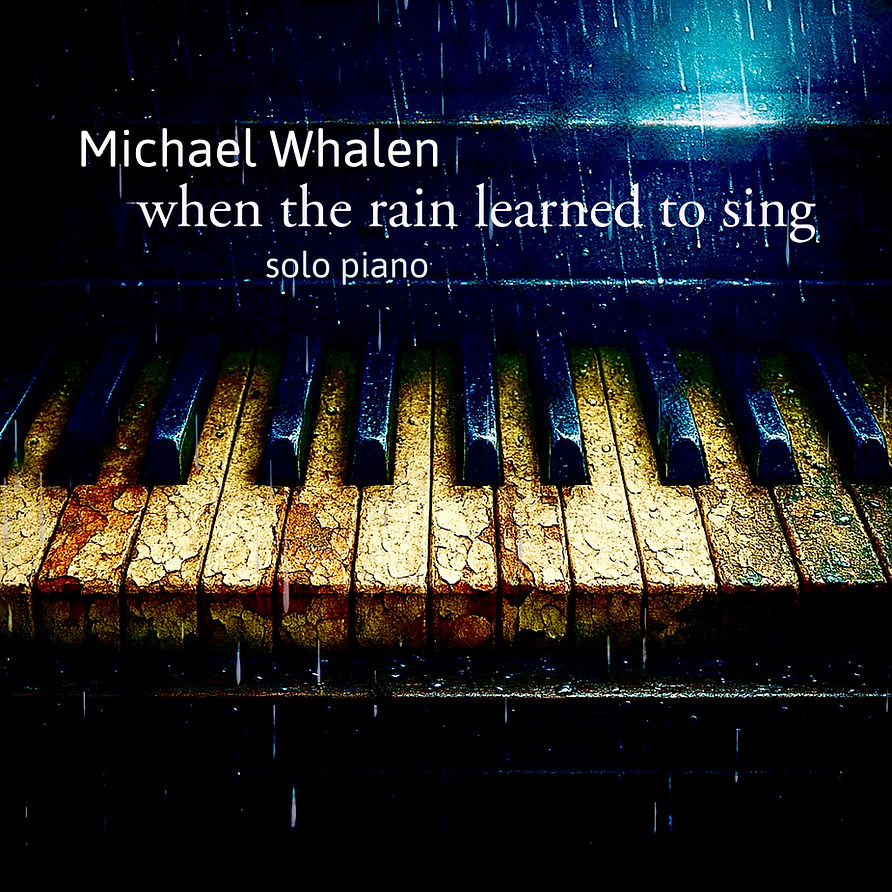
Some albums are heard, but When The Rain Learned to Sing by Michael Whalen is quietly experienced. The album When The Rain Learned to Sing by Michael Whalen is a deeply reflective and emotionally resonant work that immediately draws us into its quiet yet powerful world. From the very first notes, it becomes evident that this is not merely a collection of piano compositions but a carefully shaped musical journey that captures moments of introspection, memory, and gentle revelation. There is a rare sincerity in the way the music unfolds, as though each piece has been allowed to breathe and evolve naturally. This album feels like an intimate conversation between the artist and the listener. While each of these songs does not demand our attention, it gradually earns it through its honesty and emotional depth. It is this quality that makes the album a truly compelling and impressive listening experience.
About The Artist
Over the years, Michael Whalen has built a distinguished career as a composer, producer, and recording artist known for his expressive melodic sensibility and cinematic soundscapes. An Emmy Award winning composer, Whalen has created music across a wide range of formats including television, film, and contemporary instrumental recordings. His work often balances emotional intimacy with atmospheric depth, a quality that has earned him recognition within the contemporary instrumental and new age music communities. With When The Rain Learned to Sing, he returns once again to the solo piano format that has long served as one of the most personal and direct expressions of his musical voice.
Genre, Context, And Artistic Continuity
Placed within the genres of contemporary instrumental, new age, and ambient music, this album comfortably inhabits a space that values atmosphere and emotional clarity over complexity for its own sake. Yet, it never feels minimal or sparse. Instead, it carries a fullness emerging from the nuances of the piano. In the context of Michael Whalen’s broader body of work, this album feels like a return to his core artistic voice. Known for his cinematic sensibilities and emotionally articulate compositions, Whalen revisits the solo piano format here with renewed maturity. This work reflects not only his technical mastery but also his lived experience, especially as he describes it as a personal journal marking a new phase in his life. In the landscape of contemporary music, where production often leans toward complexity and layering, this album distinguishes itself through restraint and authenticity.
Themes, Emotional Depth, And Spiritual Undertones
One of the most striking merits of the album is its thematic coherence. There is a subtle but persistent motif of reflection and acceptance that runs throughout the compositions. The idea of rain learning to sing becomes a poetic metaphor for transformation, suggesting that even moments of melancholy can find expression in beauty. The emotional and spiritual undercurrent pervading beneath each of the notes of the album is undeniable. It invites the listener to slow down, to sit with their thoughts, and to find meaning in quiet spaces. What makes this album unique is its ability to communicate profound emotions without the need for words. Each piece feels like a fragment of memory or a fleeting thought, yet together they form a cohesive narrative that is both personal and universal.
Reflections on the Tracks
Blowing Leaves (October Zephyrs) (04:35)
Opening the album with a gentle sense of motion, this piece captures the feeling of seasonal change and transition. The composition carries a lightness that mirrors the movement of autumn winds, setting the tone for the reflective journey ahead. It introduces the listener to the album’s sonic world with grace and subtlety.
A Life I Almost Missed (04:05)
This track moves into a more introspective space, unfolding with a sense of longing and realization. The melody feels like a pause in time, a moment of looking back and acknowledging paths not taken. It carries an emotional weight that resonates quietly but deeply.
When The Rain Learned to Sing (04:23)
Serving as the emotional centerpiece of the album, the title track is both delicate and expressive. Its melody shimmers with a quiet brilliance, evoking the imagery of rain transforming into music. It beautifully encapsulates the album’s central theme of transformation and acceptance.
Unfinished Letters (05:19)
This composition evokes the feeling of thoughts left unspoken and emotions unresolved. There is a gentle tension within the music that reflects the idea of incompletion. It invites the listener to sit with that sense of ambiguity rather than seeking closure.
Whispers Of The Setting Sun (04:06)
With warmer tonal qualities, this piece suggests a sense of closure and peace. It feels like the quiet end of a day, where fading light brings calm rather than melancholy. The music carries a soothing and reflective quality.
60 Times Around The Sun (03:43)
A deeply reflective piece, this track appears to mark the passage of time and personal milestones. It balances a sense of gravity with quiet celebration, offering a contemplative look at life’s journey and the experiences that shape it.
She Has The Bluest Eyes (04:04)
This track introduces an intimate and tender mood. The melody feels personal, almost like a musical portrait filled with affection and admiration. It adds human warmth to the album’s reflective atmosphere.
Light Beneath the Fog (04:23)
Here, the music introduces a subtle sense of mystery while maintaining the album’s serenity. It suggests hope emerging from uncertainty, with its gentle progression offering a sense of quiet reassurance.
Through The Window of Your Soul (04:12)
This piece invites deeper introspection, guiding the listener inward. Its evolving progression feels like a journey into emotional depth, revealing layers of feeling through delicate shifts in tone and rhythm.
Love In Every Ending (05:11)
Closing the album, this track offers a sense of acceptance and quiet optimism. It reinforces the idea that endings are not simply conclusions but meaningful transitions. The piece leaves the listener with a lingering sense of peace.
Take Away
What impressed me most about this album is its ability to create a deeply immersive experience without relying on grand gestures or elaborate arrangements. Michael Whalen demonstrates that simplicity, when guided by genuine emotion and artistic clarity, can be profoundly moving. I highly recommend this album to anyone seeking a meaningful and calming listening experience. It is particularly suited for moments of introspection, relaxation, or creative inspiration. Listeners can expect a journey that is both soothing and thought provoking, one that lingers long after the final note has faded.
