Album Review–Collaboration
Music as Renewal and Shared Breath: A Review of David Mash’s Collaboration
With Collaboration, David Mash transforms personal adversity into a vibrant, collaborative jazz fusion experience that celebrates connection and creative rebirth.
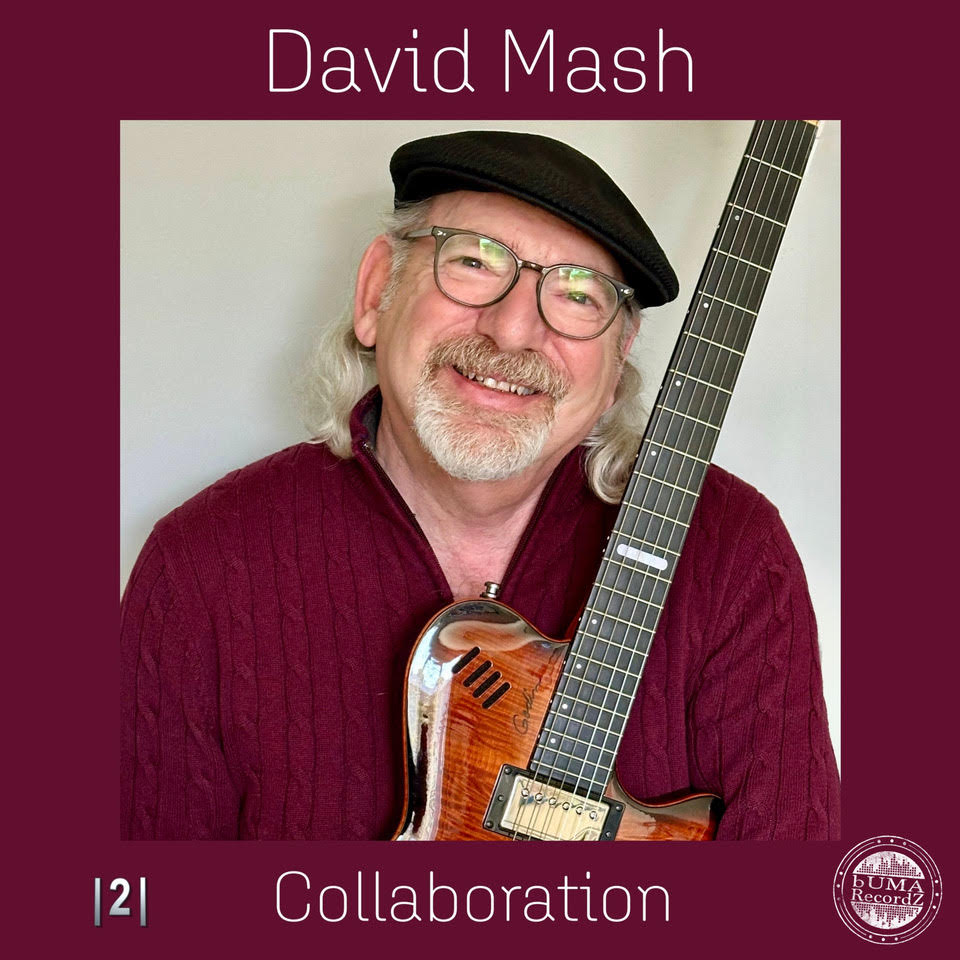
There are moments in an artist’s life when music becomes more than expression. It becomes recovery, reinvention, and quiet resilience. Collaboration, released on April 17, 2026, emerges from such a turning point in the life of David Mash. Created during a deeply transformative period when he temporarily lost the ability to play guitar and redirected his creative force into electronic synthesizers, this album is not simply a gathering of tracks. It is a testament to adaptation and artistic rebirth.
At its philosophical core, Collaboration is about shared breath. It is about what happens when friendship, trust, and musical intuition meet at the crossroads of experience. The title itself signals the intention clearly. This is not a solitary statement. It is a conversation. Mash invites listeners into a space where individual voices merge into something collective, fluid, and alive. In an era often marked by digital isolation, this album reminds us that true music making remains rooted in human connection.
Artist Journey and Musical Legacy
David Mash is a name deeply associated with innovation in contemporary music education and performance. Known for his long and influential association with Berklee College of Music, Mash has spent decades shaping not only his own artistic path but also mentoring generations of musicians. His work bridges traditional guitar artistry with cutting-edge electronic exploration, placing him among those rare artists who navigate both acoustic authenticity and technological experimentation with equal fluency.
Throughout his career, Mash has been recognized for his contributions to electronic music performance and contemporary composition. His ability to move between guitar-driven jazz textures and synthesizer-based soundscapes has made him a respected figure among musicians and educators alike. Collaboration feels like a culmination of that journey. It draws upon friendships built over years of musical exchange and places them within a deeply personal chapter of reinvention.
Genre and Contemporary Relevance
Collaboration comfortably inhabits the world of contemporary jazz fusion, blending elements of smooth jazz, electronic textures, and groove-driven ensemble work. Listeners may hear echoes reminiscent of artists such as Pat Metheny, David Benoit, and The Yellow Jackets, yet Mash’s voice remains distinctly his own. The album carries warmth without nostalgia and sophistication without excess.
What makes Collaboration particularly important in today’s musical landscape is its refusal to separate electronic innovation from human musicianship. The album demonstrates that technology does not replace emotion; it expands it. At a time when much electronic production can feel detached or overly polished, Mash uses synthesizers as expressive tools rather than mechanical effects. The result is music that feels lived in and responsive. It grooves, it breathes, and it listens back.
Track by Track Exploration
Ictus Sanctus – 08:56
The opening track unfolds gradually, inviting the listener into a spacious yet rhythmically grounded environment. George W. Russell Jr.’s piano weaves elegantly through Winston Maccow’s bass lines, while Sean Skeete’s drumming provides subtle propulsion. Mash’s synthesizer textures create an atmospheric frame that feels both cinematic and intimate. Listening to Ictus Sanctus feels like watching light break slowly across a horizon. It establishes the album’s reflective tone while hinting at the rhythmic vitality to come.
Collaboration – 04:56
The title track, co-composed with Dave Weigert, is the album’s most immediately accessible piece. It carries a fresh, buoyant energy that lives up to its name. The interplay between instruments feels conversational, particularly in the exchanges between guitar and saxophone. Bruce Nifong’s work on alto and soprano saxophones adds melodic color, while Ricardo Monzon’s percussion introduces subtle rhythmic textures. The track feels celebratory, almost like musicians smiling at one another across the studio.
TNS – 22:05
At over twenty-two minutes, TNS stands as the album’s expansive centerpiece. This extended composition allows each musician space to explore and respond. It moves through shifting moods without losing coherence. There are passages of contemplative calm followed by sections of rhythmic intensity. Mash’s synthesizers and soft orchestra textures add dimension without overwhelming the acoustic elements. Listening to TNS feels immersive, almost meditative. It is a journey rather than a song, rewarding patience and attentive listening.
Bionic Man – 06:52
The closing track introduces a slightly more playful and groove-oriented feel. Bionic Man leans into rhythmic drive while maintaining the album’s polished sophistication. The bass lines are particularly engaging here, locking in tightly with the drums. Mash’s guitar presence feels confident and renewed, almost as if reclaiming its voice after the silence he endured. The track ends the album on an energetic and optimistic note.
Take Away
What impressed me most about Collaboration is its balance between technical excellence and emotional sincerity. It would be easy for an album created by musicians of this caliber to become overly complex or self-indulgent. Instead, Mash and his collaborators keep the focus on communication. Every note feels purposeful. Every solo feels earned.
Personally, the album resonates as a reminder that limitation can become transformation. The fact that these compositions were born from a period when Mash could not play guitar adds quiet depth to the listening experience. One hears resilience woven into the grooves and harmonies.
I strongly recommend Collaboration to listeners who appreciate contemporary jazz fusion that values both innovation and heart. Whether experienced during a quiet evening by the fire or while driving through an open landscape, this album offers not just sound, but companionship. It stands as proof that when artists come together with trust and shared history, the result can be something far greater than the sum of its parts.